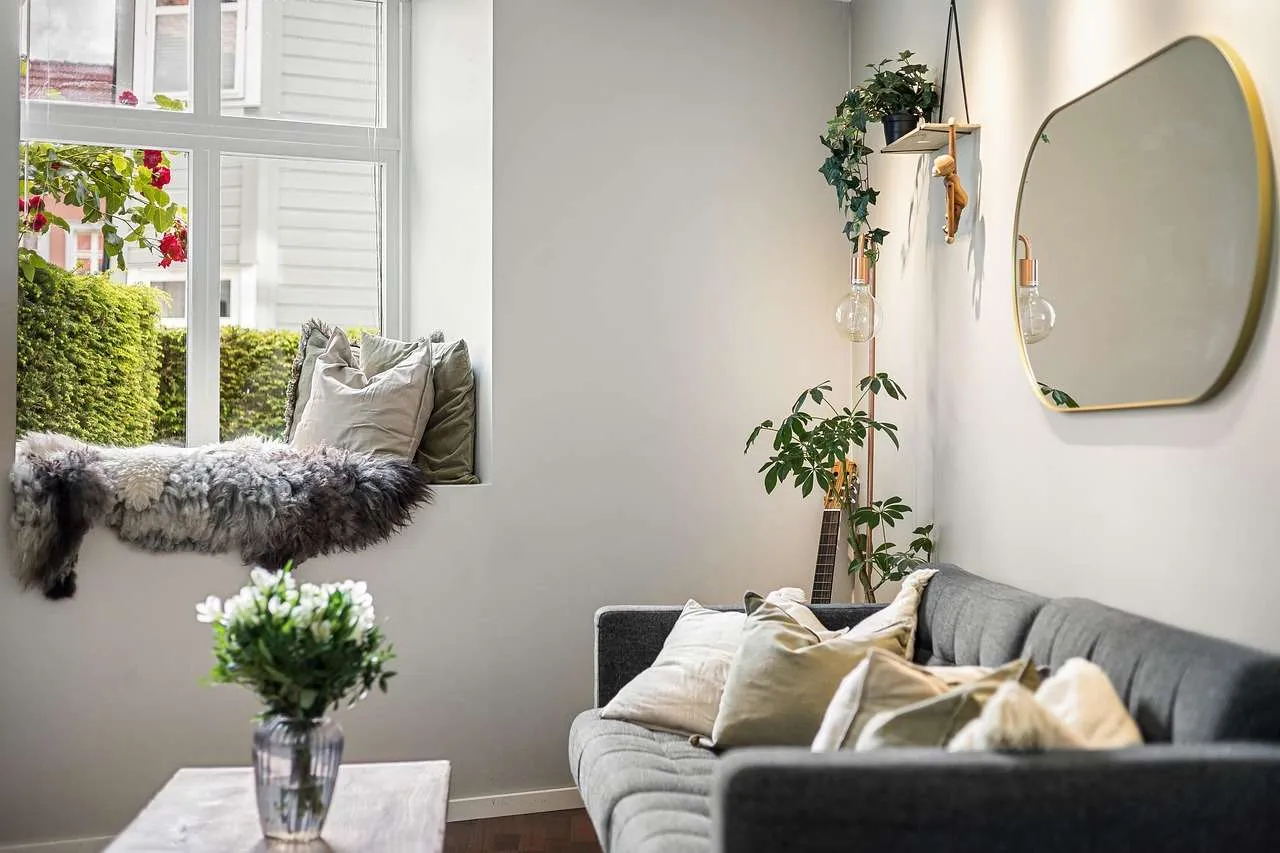
What is Home Window Tinting?
Home window tinting is a thin film applied to glass panes to manage heat, glare, UV exposure, and privacy. Films can be applied to most residential windows, including double‑pane and tempered glass, and are compatible with a range of window frames and coatings.
Why Home Window Tinting Matters
Tinting helps control how much solar energy enters a room, which improves comfort and reduces strain on cooling systems. It also protects furnishings from UV fading and provides greater privacy without sacrificing daylight.
Key benefits
- Energy savings: lower cooling loads and more stable indoor temperatures.
- UV protection: blocks up to 99% of harmful ultraviolet rays, reducing fading.
- Glare reduction: improves comfort on bright days and makes screens easier to read.
- Privacy and aesthetics: enhances curb appeal while maintaining natural light.
- Safety and durability: some films help hold shards in place during breakage.
Choosing the Right Film
Selecting the correct film depends on climate, sun exposure, window type, and your budget. Consider building codes, homeowners associations, and the orientation of each window. Always work with a qualified installer and check for manufacturer warranties.
Film types at a glance
- Dye-based films — absorb heat and are budget-friendly but may fade over time.
- Metallic films — offer strong heat rejection but can look very reflective and may interfere with sensors or devices.
- Ceramic films — high performance with a non-reflective finish; best all-around option.
- Carbon/Nano-ceramic — excellent infrared rejection and a natural look; mid-to-high cost.
- Low-E coated films — top energy performance; higher upfront cost but the greatest long-term savings.
Professional vs. DIY Installation
For most homes, professional installation ensures bubble-free adhesion, precise edge sealing, and full warranty coverage. Pros can assess existing tint, prepare surfaces, and tailor film choices to each window. DIY kits exist, but improper installation may void warranties and reduce performance.
Cost, ROI & Maintenance
Expect a broad price range based on window area, film type, and labor. Typical costs range from a few dollars to several dollars per square foot. The ROI comes from energy savings, reduced glare, and longer-lasting interiors. Maintenance is straightforward: clean with non-ammonia, soft cloths and use mild detergents. Avoid abrasive cleaners that can scratch films.
Table: Film Comparison
| Film Type | Heat Rejection | Visible Light Transmission (VLT) | Privacy | Pros | Cons | Typical Cost |
|---|---|---|---|---|---|---|
| Dyed Film | 25–45% | 40–60% | Moderate | Low cost, glare reduction | Fades over time, less durable | $1–$3/ft² |
| Metallic Film | 35–55% | 25–50% | High | Strong heat rejection, durability | May interfere with sensors, more reflective | $2–$5/ft² |
| Ceramic Film | 40–60% | 40–60% | High | Excellent performance, non-reflective | Higher cost | $3–$7/ft² |
| Carbon/Nano-Ceramic | 40–65% | 35–55% | High | Good IR rejection, non-conductive | Mid-to-high cost | $4–$8/ft² |
| Low-E Coated Film | 60–90% | 25–60% | High | Top energy savings | Highest cost | $5–$9/ft² |
Conclusion
Conclusion, home window tinting offers energy savings, UV protection, privacy, and durability when paired with professional installation, the right film type, and regular maintenance. By choosing the right film type, working with IWFA-certified installers, and considering local codes, homeowners can achieve meaningful energy savings, extended comfort, and a more durable interior over time. Plan a cautious, informed approach, obtain multiple quotes, and select a film that aligns with climate, glass type, and aesthetic goals for long-term value.
%20316-1858-9991f1c4c750?q=80&w=2070&auto=format&fit=crop)